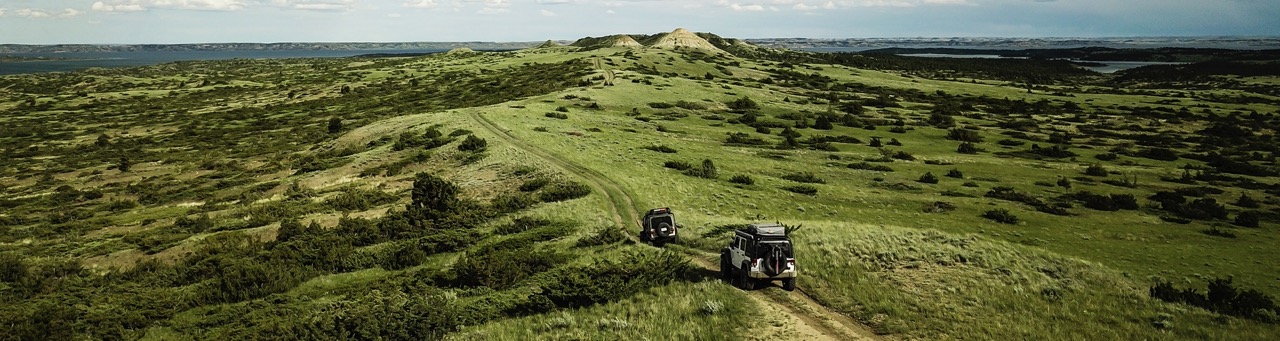
Missouri River Country is built for wandering. From wildlife refuges and quiet ranchlands to historic towns and legendary river crossings, every road leads to stories shaped by frontier history and wide-open landscapes.
These self-guided routes offer a starting point for exploring the region. Along the way you'll find museums, wildlife refuges, historic sites, and welcoming small communities ready to help you discover more.
Take your time, follow a few back roads, and experience a place that remains a long way from ordinary—and worth the drive!
Mountains and Wildlife Route
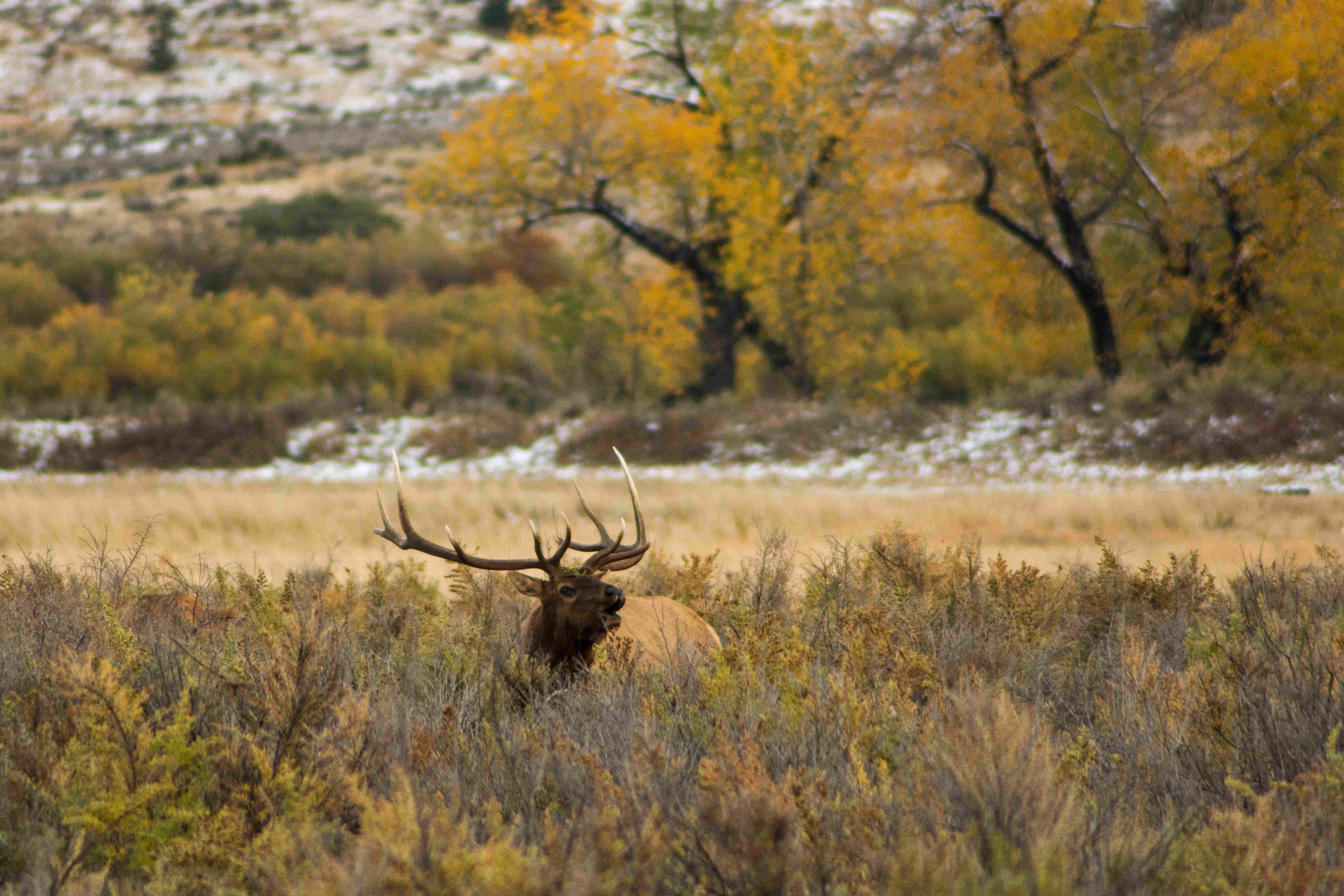 Slippery Ann Elk Viewing Area, Ken Plourde
The Mountains and Wildlife Route explores the rugged country around the Missouri River Breaks and the Little Rocky Mountains, where wildlife habitat, frontier history, and sweeping prairie views come together.
Fred Robinson Bridge & the Missouri River
About 70 miles south of Malta,
Highway 191 crosses the Missouri River at Fred Robinson Bridge, an ideal starting point for exploring the eastern reaches of Missouri River Country.
Lewis and Clark traveled this stretch of river in May 1805, camping nearby as they continued their journey west.
Just off the bridge,
James Kipp Recreation Area offers camping, fishing, boating access, and opportunities to watch wildlife along the river.
Charles M. Russell National Wildlife Refuge
Much of this region lies within the
Charles M. Russell National Wildlife Refuge (CMR), one of the largest wildlife refuges in the lower 48 states. Covering more than 1.1 million acres, the refuge protects vast prairie landscapes, river breaks, and wildlife habitat.
Stop at the refuge office near
Slippery Ann Wildlife Viewing Area for maps and road conditions before exploring the area’s back roads.
A popular highlight is the
20-mile self-guided auto tour, which travels through scenic breaks country near historic frontier towns such as Rocky Point and Carroll.
Little Rocky Mountains
Continuing north on Highway 191, the road climbs out of the Missouri River Breaks toward the
Little Rocky Mountains.
Turn west on Highway 66 toward
Landusky, once a bustling gold mining community. Nearby
Zortman also grew during Montana’s mining era and still offers access to forested hills, hiking opportunities, and sweeping views of the surrounding prairie.
Outlaws including Kid Curry and members of Butch Cassidy’s gang once passed through this region.
Return to Malta
Heading north toward
Malta, travelers cross historic cattle country once used by some of Montana’s earliest ranch operations.
Before leaving town, stop by the
Phillips County Museum, which highlights the area’s frontier history and dinosaur discoveries. Just east of Malta,
Bowdoin National Wildlife Refuge offers excellent birdwatching and wildlife viewing.
Allow two to four days to fully enjoy this route and its many side roads.
Fort Peck Lake Route
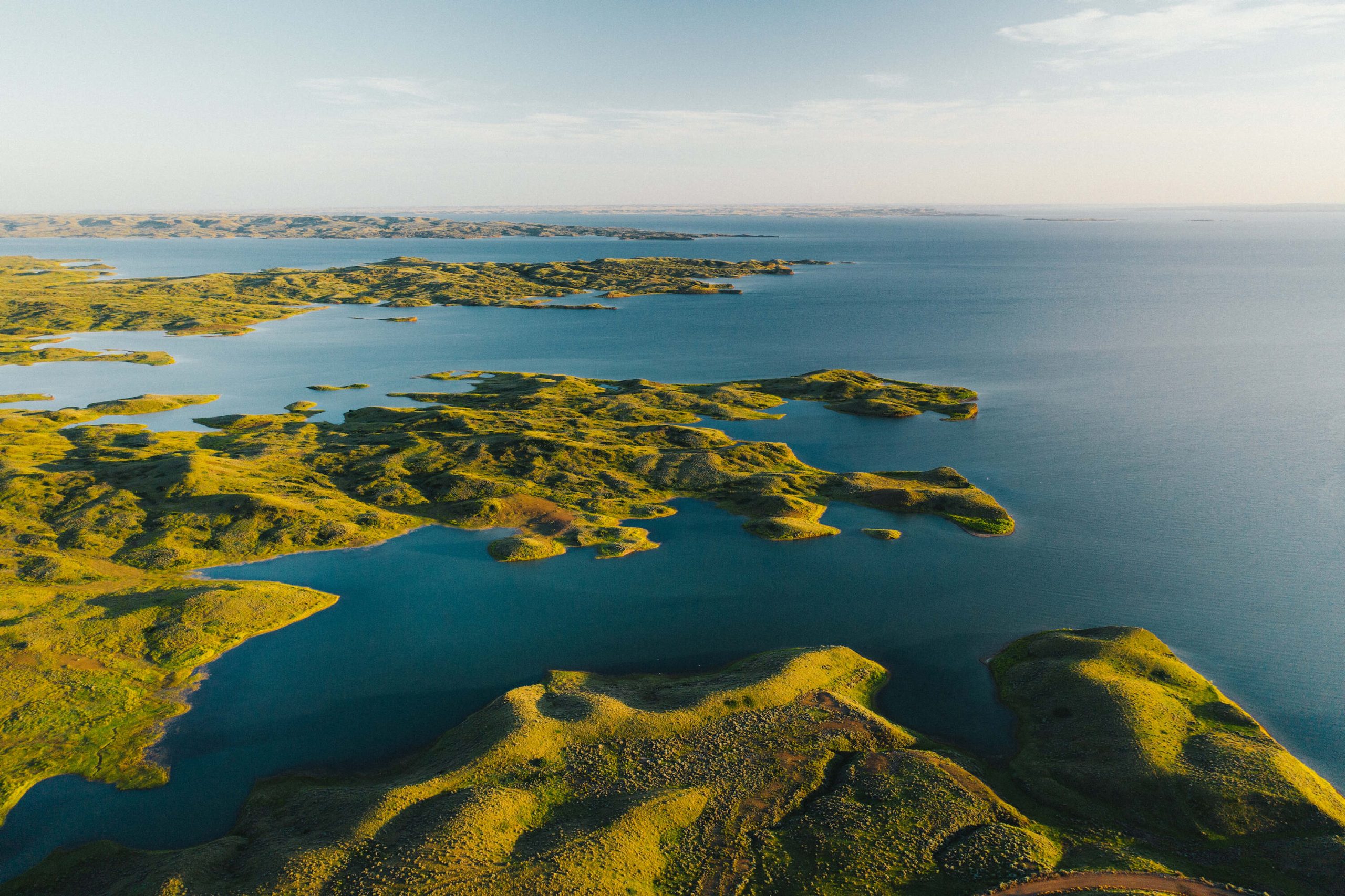 Fort Peck Lake, Montana Department of Commerce
This route explores the historic town of
Glasgow and the immense waters of
Fort Peck Lake, one of Montana’s most remarkable recreation destinations.
Start in Glasgow
Founded in 1887 as the Great Northern Railway expanded west, Glasgow remains a vibrant community along the Milk River.
Before heading out, visit the
Valley County Pioneer Museum, which features extensive exhibits on regional history and the Lewis and Clark Expedition.
Fort Peck Dam and Lake
From Glasgow, drive southeast on
Highway 24 to the town of
Fort Peck and the massive
Fort Peck Dam.
Constructed during the Great Depression, the dam was one of the largest public works projects of its time and helped create
Fort Peck Lake, the largest body of water in Montana. With nearly
1,600 miles of shoreline, the lake offers exceptional fishing, boating, wildlife viewing, and camping opportunities.
Nearby recreation areas provide lake access, hiking trails, and scenic viewpoints.
Historic Fort Peck
The town of Fort Peck was built in the 1930s by the U.S. Army Corps of Engineers to house workers building the dam. Today visitors can still experience this unique planned community.
While visiting, stop at the
Fort Peck Interpretive Center and Museum
, the
Fort Peck Summer Theatre and the
Fort Peck Hotel.
Completing the Loop
After exploring Fort Peck, travel north on
Highway 117 to
Nashua, then return west on
Highway 2 to Glasgow.
Before leaving town, consider visiting the
South Valley Wildlife Viewing Area, where antelope, deer, and other wildlife are frequently seen.
Ranching Country and Milk River Route
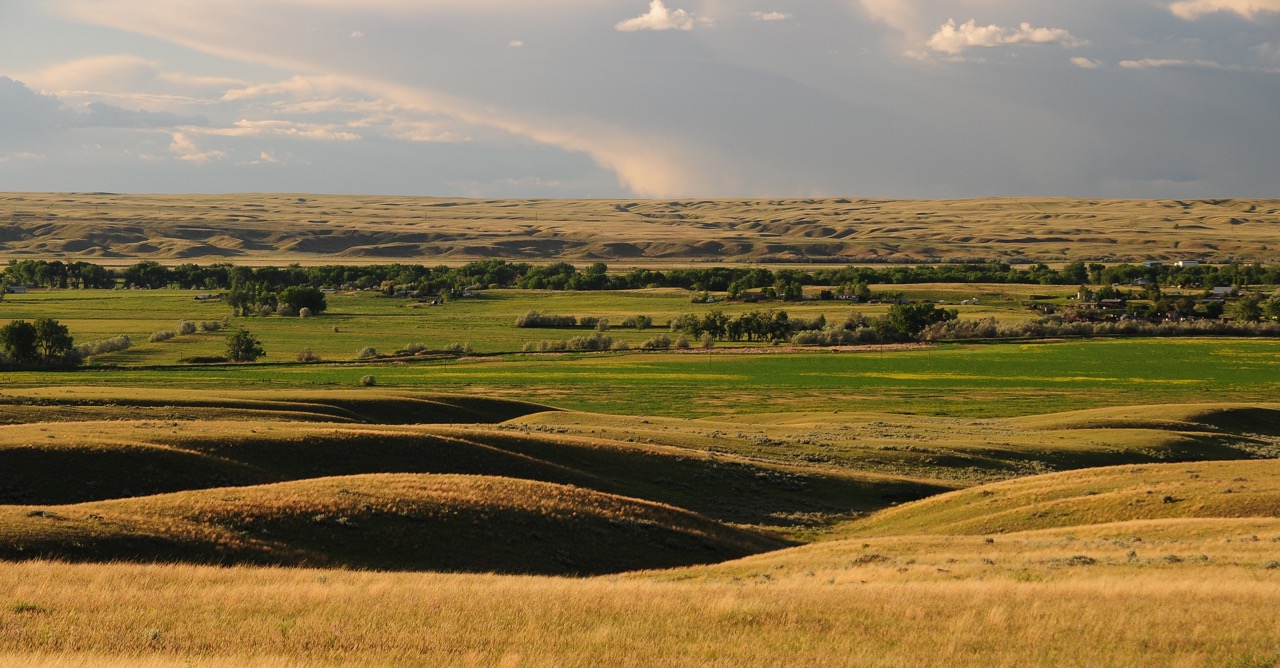 The Milk River Valley, Rick & Susie Graetz
This scenic route north of Malta offers quiet prairie roads, river valleys, and sweeping views of ranch country.
Malta to Loring
Begin in
Malta and follow
Highway 191 north through a landscape of river bottoms, canyons, and benchlands.
A scenic side road about 16 miles north of town climbs to high vantage points overlooking the
Milk River Valley and the winding canyons of Cottonwood Creek.
Continue north to
Loring, a small community near the Canadian border and the Port of Morgan crossing.
Milk River Valley
Heading south again, turn east into the Milk River Valley toward
Hewitt Lake National Wildlife Refuge and
Nelson Reservoir, a popular destination for fishing and water recreation.
Wildlife sightings are common here, especially deer and antelope.
Saco and the Larb Hills
Continue to the community of
Saco, where visitors can explore nearby ranchlands and the scenic
Larb Hills.
Saco is also home to the
Huntley Project School Museum, located in a restored one-room schoolhouse named for student
Chet Huntley, who later became a nationally known television news anchor.
Nearby
Nelson Reservoir also offers camping, fishing, and water recreation.
Bowdoin National Wildlife Refuge
Before leaving the region, make time to visit
Bowdoin National Wildlife Refuge, just east of Malta. The refuge provides excellent birdwatching opportunities and supports thousands of migratory waterfowl each year.
Old Trails and Tribal Lands Route
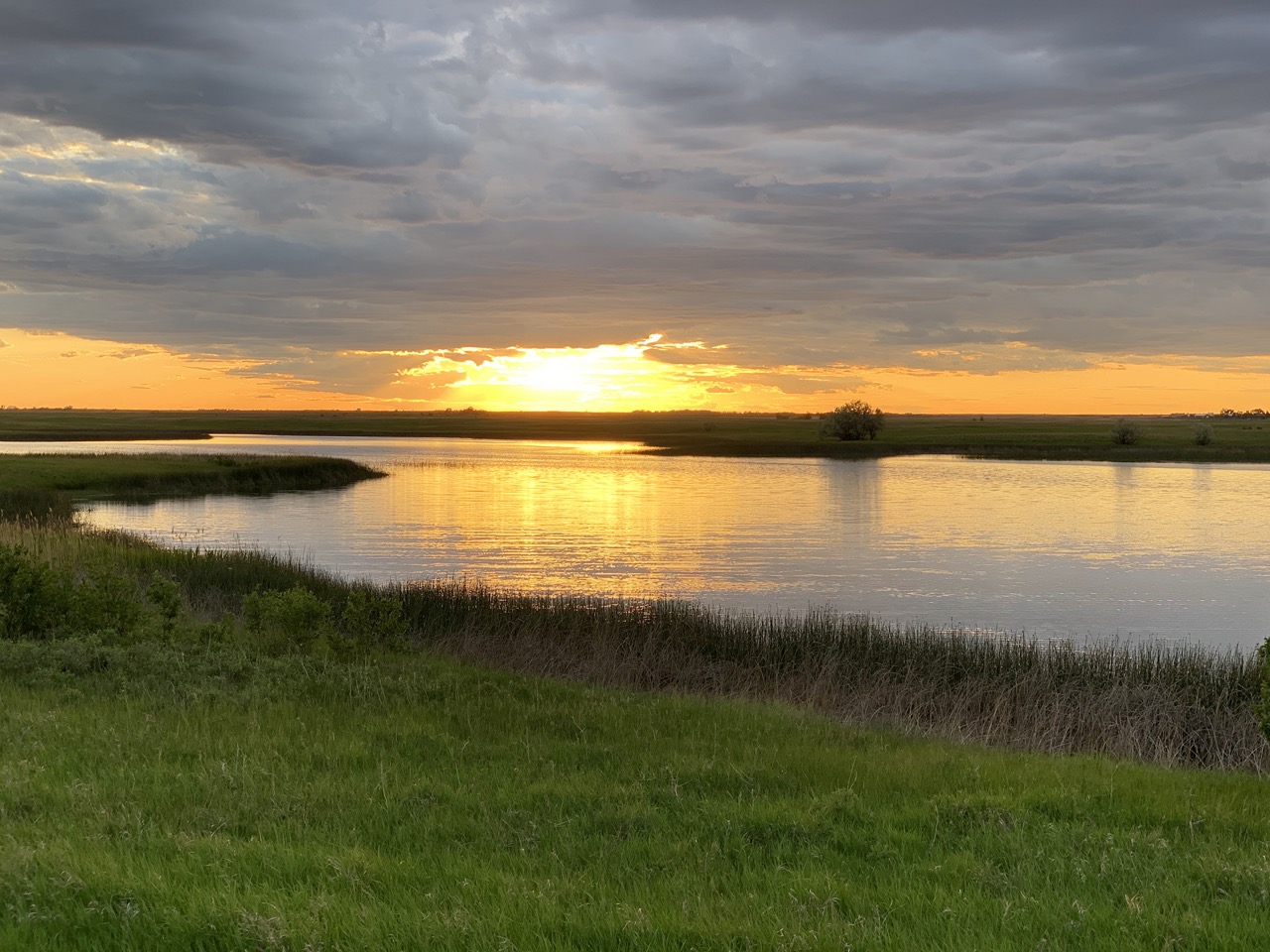 Medicine Lake National Wildlife Refuge, Rick & Susie Graetz
This expansive route through northeast Missouri River Country explores historic trails, prairie towns, and the homeland of the
Assiniboine and Sioux tribes of the Fort Peck Reservation. Allow several days to experience the full loop.
Wolf Point
Begin in
Wolf Point, a historic Missouri River town and home to the
Wolf Point Wild Horse Stampede, the oldest rodeo in Montana.
Lewis and Clark camped near here in May 1805 while traveling up the Missouri River.
Today the community sits within the
Fort Peck Reservation—home to two separate Indian nations, the Assiniboine & Sioux Tribes, each composed of numerous bands.
Poplar
Travel east on
Highway 2 to
Poplar, headquarters of the Fort Peck Tribes. Visitors can explore cultural exhibits and learn more about the region’s Indigenous heritage.
Flaxville and the Prairie
From Poplar, head north through expansive agricultural country toward
Flaxville, where vast wheat fields stretch across the prairie.
This landscape offers sweeping views and dramatic summer skies.
Scobey and Pioneer Town
Continue west to
Scobey, a welcoming prairie town known for
Daniels County Museum and Pioneer Town, a remarkable museum complex featuring more than forty historic buildings that recreate an early 1900s homestead community.
Plentywood and the Big Muddy
From Scobey, explore the back roads toward
Plentywood, passing through the rugged Big Muddy country once known for its colorful frontier history.
Today the area offers scenic drives, prairie wildlife, and a glimpse into the region’s past.
Medicine Lake National Wildlife Refuge
Travel south toward
Medicine Lake National Wildlife Refuge, a major migratory bird habitat that supports thousands of waterfowl, pelicans, cranes, and other wildlife
Exploring at Your Own Pace
These routes only scratch the surface of what Missouri River Country has to offer. Along the way you'll find welcoming communities, fascinating history, and landscapes that stretch far beyond the horizon.
Stop at local museums, visitor centers, and small-town cafes, and don't hesitate to ask locals for recommendations — they often know the best places to explore. Because here in northeastern Montana, discovery often happens just beyond the next bend in the road.